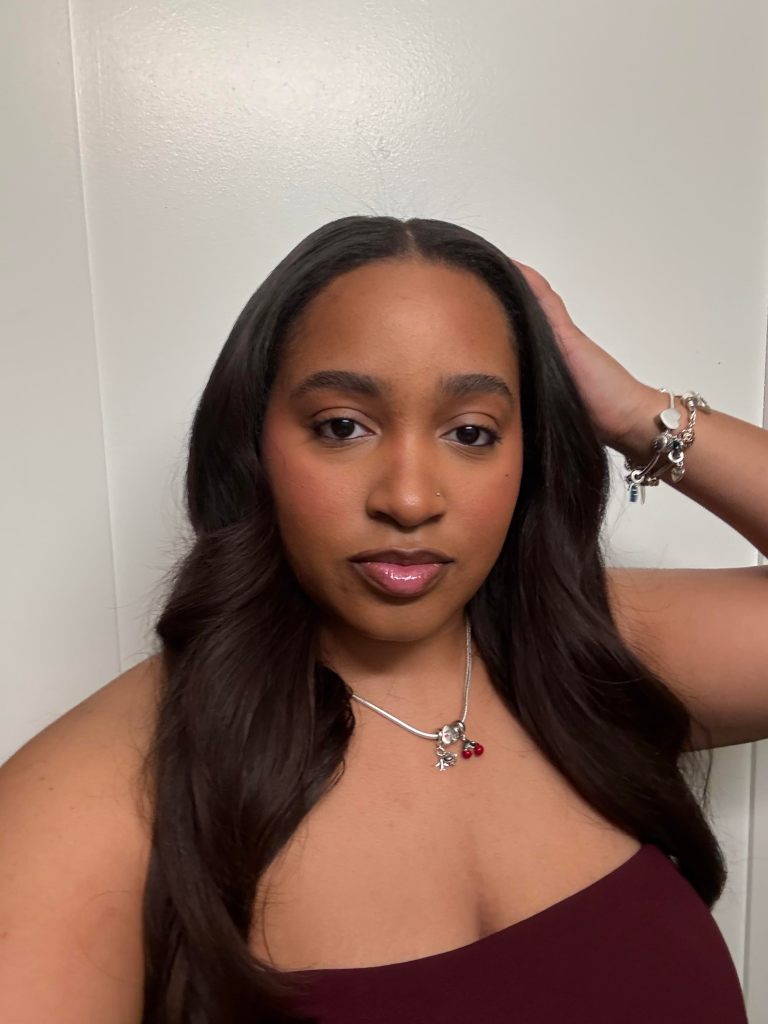
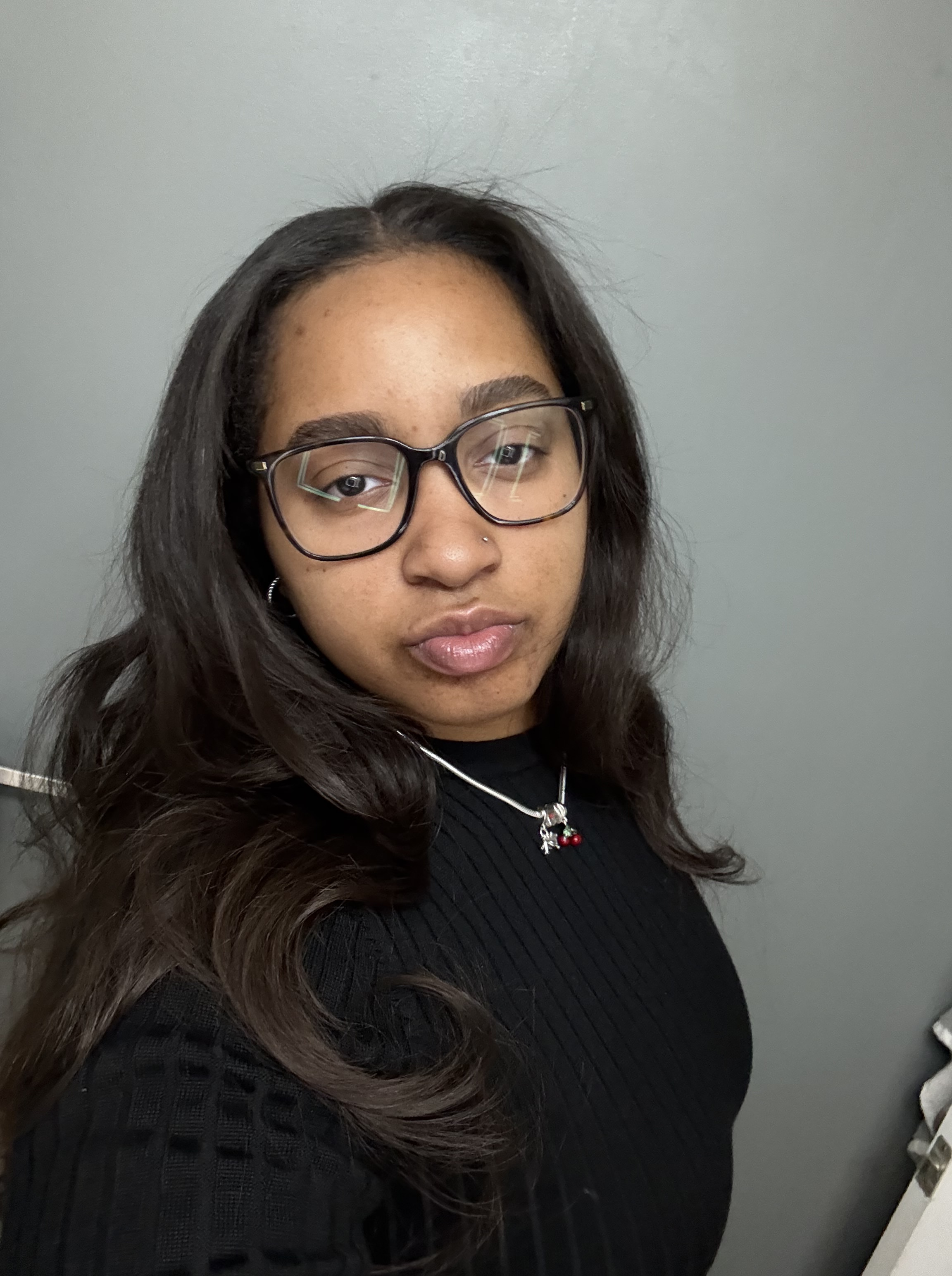
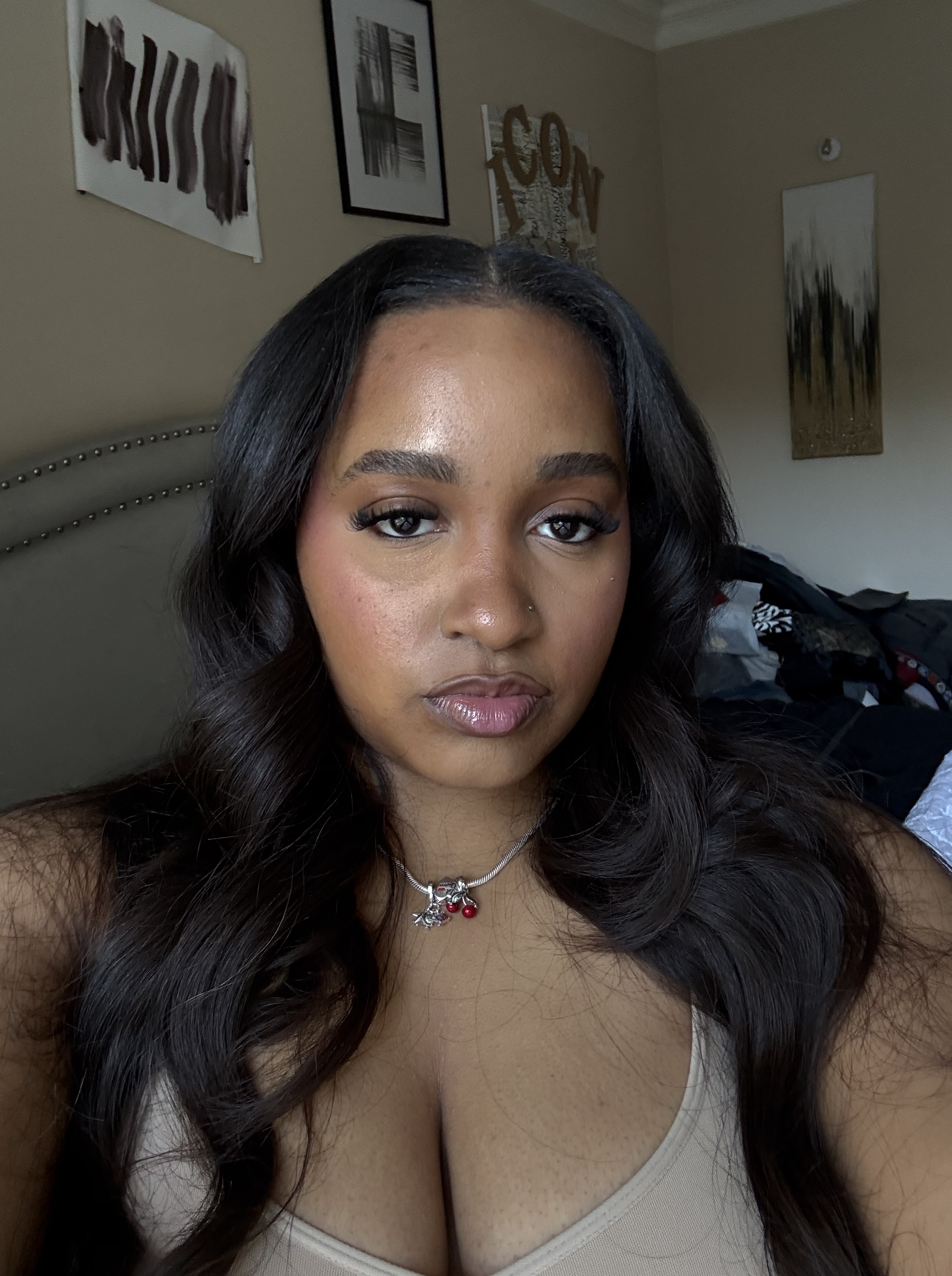
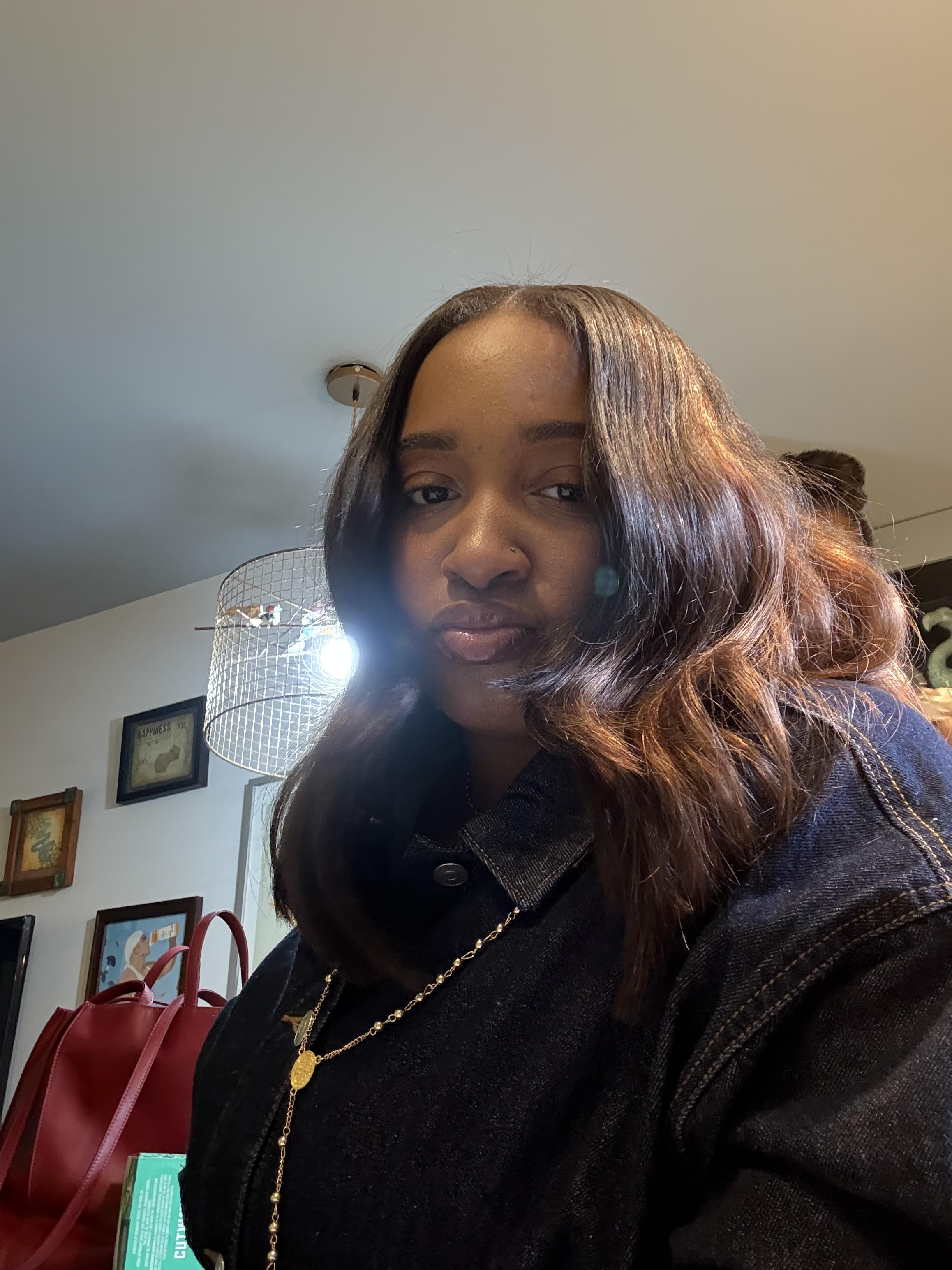
My selfies start as a form of empowerment. It starts as a form of control. Control of the angle, the lighting, the expression, and the final outcome. In a world where images of women, especially images of Black women, are subject to the interpretations of others, a selfie is a means of defining myself. It is a form of self-documentation of how I see myself.
My selfies are a snapshot of a moment of confidence, a moment of growth, a moment of self-contemplation. It is a moment of celebration of my natural hair. It is a moment of recollection of the journey of how far I have come. In all of these, the selfie is not about vanity; it is about visibility. It is about saying, “I am here, and I am enough as I am.”
Yet, empowerment, as a concept, is fluid. It can change. It can evolve. What starts as self-expression can easily turn into a form of performance if the purpose of the selfie shifts from self-affirmation to self-validation. When the purpose of the selfie shifts to the validation of others, the power shifts from myself to the audience. And it is in this space, the space of the audience, where empowerment turns into narcissism.
The line, in my opinion, is drawn based on the purpose. Narcissism is external, while empowerment is internal. Narcissism is about needing the audience to affirm how wonderful I look today. Empowerment, on the other hand, is about saying, “I like how I look today.”
My selfies, therefore, are a reminder of the delicate balance of self-love and self-obsession. It reminds me of the thin line between self-expression and self-validation. So as long as the purpose of the camera is self-expression and not self-validation, then the purpose of the selfie will be the purpose it was initially intended to be.
 Digital Media Literacy Class